

Recently I caught up with the film that China and much of the Sinophone world has been obsessing over this year. It’s called 给阿嬷的情书, literally translated as ‘Love Letters to Grandma’ but the official English title is ‘Dear You’ (which I don’t think is as good). The film does as it says on the tin: it’s about a series of love letters that had been sent to Iap Sok-jiu 叶淑柔, who turns 88 years old at the beginning of the film.
Set in the modern day and amply aided by flashbacks, the film traces the origins of these letters. They came from Iap’s husband, who left his wife and three children in 1945 to eke out a living in south-east Asia, for years sending back money and other gifts to sustain the family back home. He never returned home, and in the present day we join Iap’s grandson who goes to Thailand to find his grandfather, in the process unveiling a decades-long secret about what really happened to him.
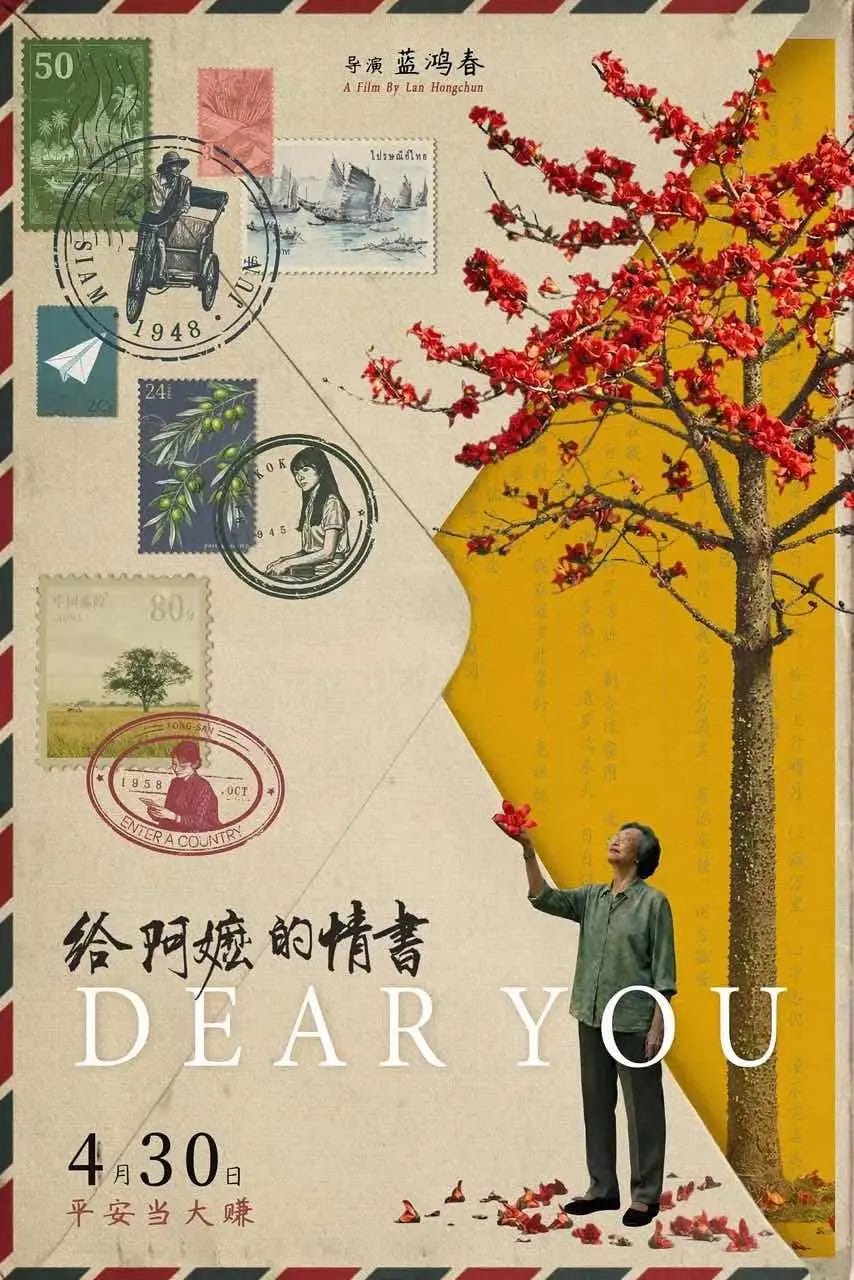
I won’t give you any spoilers here, because chances are you haven’t seen it. It was always meant to be an indie film – costing only 14 million yuan to make (£1.5 million or $2 million) and with a cast of primarily non-professional actors. But the booming success it has had since premiere is testament to the bittersweet charm of the story, its characters, and the nostalgia of the setting of late 20th century southern China and Bangkok, even if the viewer hasn’t lived through those times.
